Hidden Gems #15 The Late, Great Townes Van Zandt
139 days ago
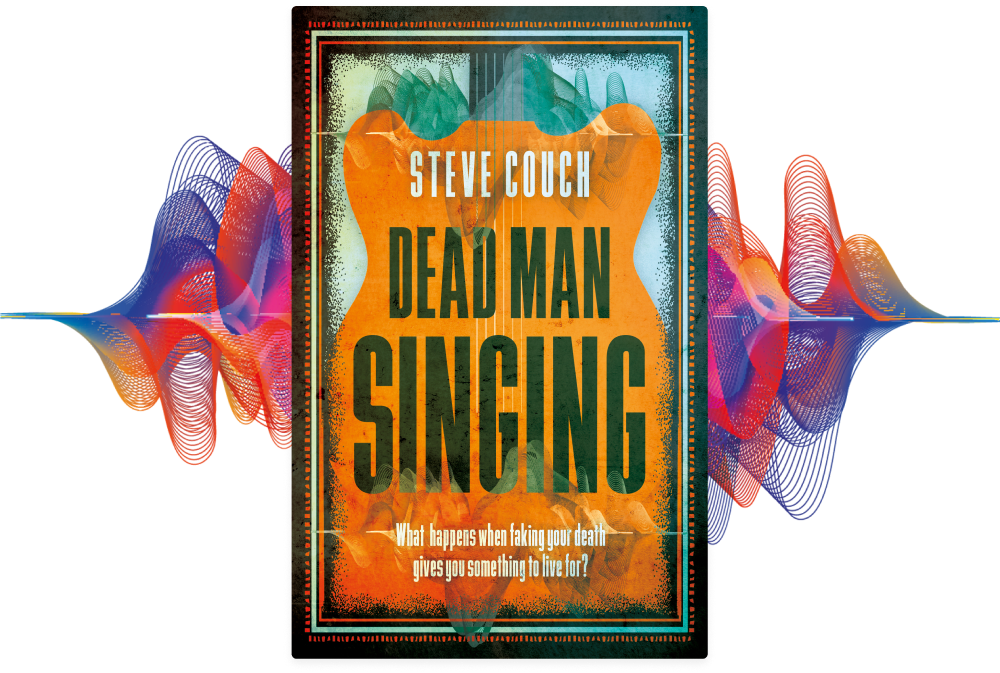
I’ve written before, briefly, about Townes Van Zandt and his connection to Dead Man Singing, and even if it wasn’t for the thematic tie-in of this album’s title, I think it would have been one that Dave would have chosen for his getaway selection of 100 albums.
Townes Van Zandt is a towering figure in certain musical circles, yet a complete unknown to many people. Steve Earle once stated that Van Zandt was ‘the best songwriter in the whole world and I’ll stand on Bob Dylan’s coffee table in my cowboy boots and say that.’ Dylan himself was also a fan, and was, supposedly, keen to write with Van Zandt, though the latter never agreed to do so. Apparently, he liked and rated Dylan as an artist, but didn’t care for his celebrity.
The Late Great Townes Van Zandt (1972) was the singer’s sixth studio album, the last of a four-year run that marked the most prolific period of his career. The album kicks off with No Lonesome Tune, the track I selected for the Dave Masters 100 Playlist, a simple yet delightful country song in praise of love and domesticity which belied the chaos of Van Zandt’s own experience, and which also speaks to my character’s growing realisation that something is missing in his own rock and roll life. Sad Cinderella reverses the focus, embracing the loneliness of the alternative in a world-weary lament that showcases the vulnerability of Van Zandt’s voice. That’s not all there is to the album though, with lascivious deep country blues (German Mustard), covers of songs by Hank Williams (Honky Tonkin’) and Guy Clark (Don’t Let the Sunshine Fool You) along with songs with deep personal relevance for Van Zandt. Another cover version, Frauline, was his father’s favourite song, while the fragile, tender Snow Don’t Fall was written for former girlfriend Leslie Jo Richards, who had been murdered some years earlier. After recording it, Van Zandt always refused to play it live no matter how often it was requested.
The album also features two of Van Zandt’s most well-known and most loved songs, Pancho and Lefty and If I Needed You. At this stage in his career, he tried repeatedly (and without much success) to have his songs taken up by higher profile singers, but after years of scratching around, the 1980s saw a critical re-evaluation. Willie Nelson and Merle Haggard had a Country chart hit with Pancho and Lefty, while Emmylou Harris and Don Williams did the same with If I Needed You. They weren’t the only ones, with a flurry of other artists breathing fresh life into both his songs and his standing amongst his peers.
Van Zandt’s life was by no means an easy one, and in some ways, it reads like a country music cliché. Married and divorced three times, he struggled with addiction to both drugs and alcohol for most of his adult life, with numerous visits to rehab centres in the 70s and 80s. As a young man - long before his music career - he was diagnosed as bipolar and treated with the now-discredited insulin shock therapy, which had the effect of destroying most of his short-term memory. Van Zandt eventually died on New Years Day 1997 from cardiac arrythmia stemming from health complications caused by his years of substance abuse. He was 53 years old.
There’s a scene in an episode of Doctor Who, where Vincent Van Gogh is taken to a modern-day art gallery and hears Bill Nighy’s tour guide describe him as a genius who ‘transformed the pain of his tormented life into ecstatic beauty’. While I wouldn’t necessarily elevate Van Zandt to quite the same status as his painting near-namesake, there’s something similar at work in his songs. If you’ve never heard him before, The Late Great Townes Van Zandt is a fine place to start.
There are no comments yet, be the first to comment...
Your comment will first need to be approved before it is visible.