A-Z of Imogen Imagine: E
8 hours ago
E is for editing
Some writers love writing the first draft of a novel, where their imaginations can run riot and they can write wherever their muse takes them. Those writers often complain that they then find the endless rounds of rewriting and editing a chore. While I don’t hate the first draft, I’m the opposite. At times, the first draft, laying out the full story from end to end, can feel like a slog. Sometimes it can feel like it’s all about maintaining progress, about word count and getting the thing done. That’s not to say there’s no magic or enjoyment in it, but it’s a forced march of a journey rather than an enjoyable stroll in the countryside.
On the other hand, once the first draft is done, that’s when the process really comes alive for me. I love all the edits that come afterwards. I love the process of polishing and refining my words, teasing out the themes that have emerged as I’ve worked on the first draft and making the piece as a whole sing. By the time you finish the first draft, you have a much clearer picture of what the story needs to be, and all the subsequent rewriting and editing is the opportunity to realise that.
In the past I’ve likened this process to building a house. The first draft lays out the footprint of the building, the shape that it occupies on the land. It establishes foundations and begins the process of building up the walls. The early edits tend to be mainly structural: walls can be knocked through and rooms given different usages or different layouts. Subsequent edits focus more on the smaller details, decorating a building whose frame is well established, the choice of paint, wallpaper, etc. helping to determine mood and feel rather than just mapping out space. By the final stages, carefully chosen amends make the difference between a house and a home – the editorial equivalent of picking the right scatter cushions or ornaments to show off the whole to best effect.
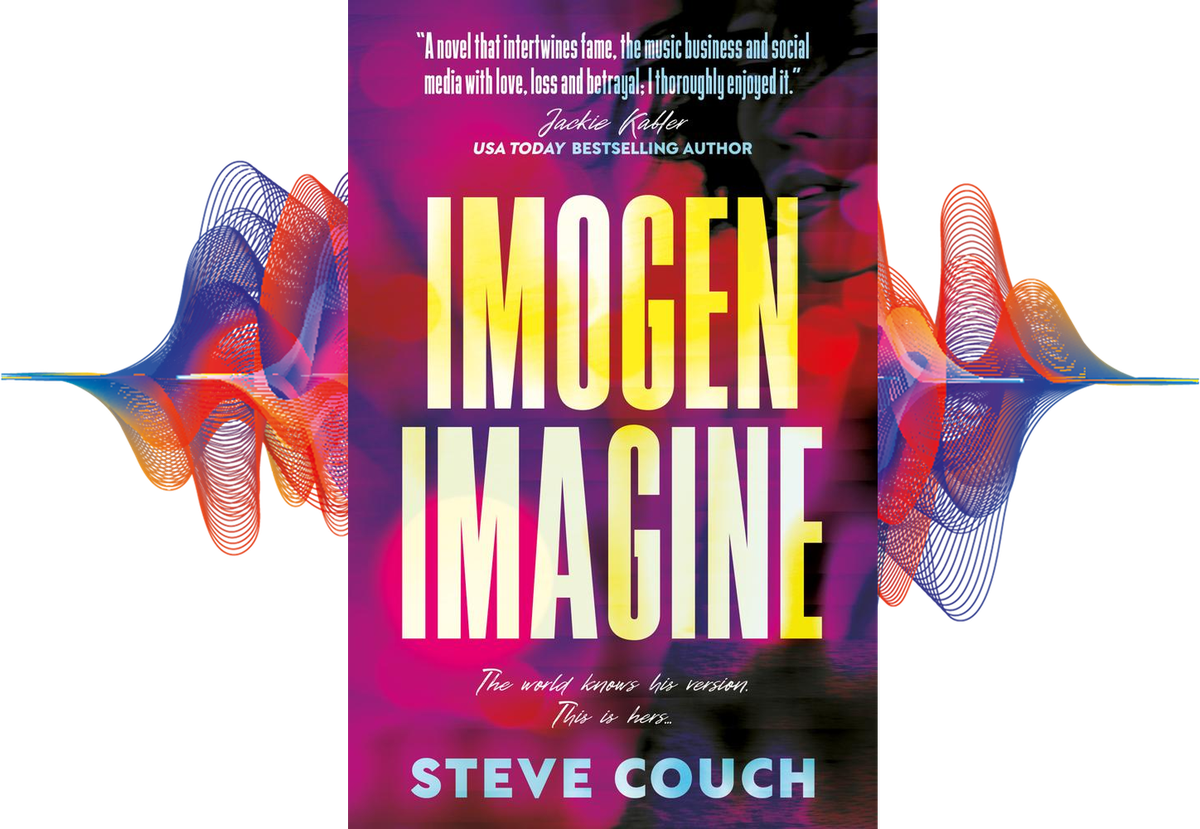
Typically, I write multiple drafts of my books – usually reaching double figures before the end of the process - and Imogen Imagine took me longer than either of my others to get right. I’ve said before that it was a more complicated structure to put together, juggling two different narrative perspectives, sometimes covering the same events from each of them, plus frequent use of flashbacks. My earliest drafts didn’t get the opening chapters right – I took too long to get going, so I had to condense the story and get Immy taking charge of her response to the song much sooner. The original version made her seem too passive, too much a victim rather that someone with a grievance but also with agency, which risked making her less sympathetic for the reader. This is the kind of knocking-through-a-wall edit I was talking about earlier. Once you make one major change, there’s a danger of a domino effect forcing other subsequent changes (sometimes the wall you knock through turns out to be a load-bearing one, and the impact of its removal creates problems elsewhere), but with Imogen Imagine the changes to the early stages left the rest of the book pretty much intact. It did mean that I had to remove some scenes altogether, including some that I was particularly pleased with, but part of the editing process is discovering which parts of the story are essential and which aren’t, and sometimes a previous favourite turns out to be surplus to requirements. Everything in the novel has to move things forward, either in terms of developing the plot or developing the reader’s understanding. If something gets in the way of that, there’s no room for self-indulgence on the part of the author.
There are no comments yet, be the first to comment...
Your comment will first need to be approved before it is visible.