Hidden Gems #16 Goodbye Jumbo
217 days ago
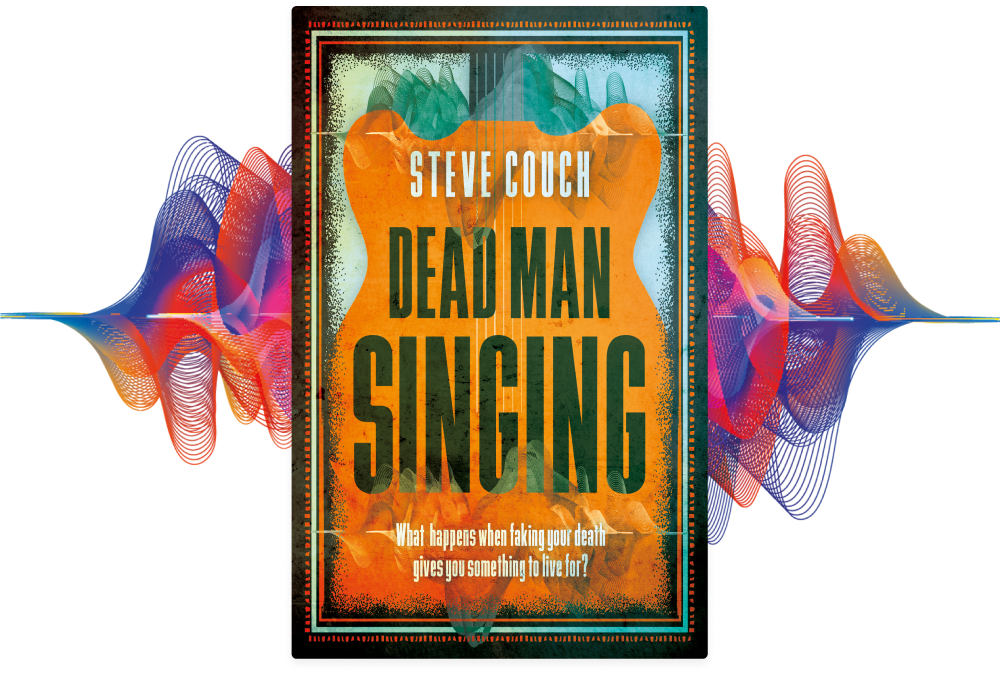
Goodbye Jumbo (1990) is an album that doesn’t make Dave’s list of records to take with him, largely because it wasn’t released at the point where he was making his selection. He comes across it during the course of the book though, and one song in particular proves to have a decisive impact on his new life (but you’ll have to read Dead Man Singing to find out which one, and how). Karl Wallinger – the man who was, to all intents and purposes, World Party – even gets a cameo appearance in the book. He died in March 2024, a few months after it was published, so it seems unlikely that he ever knew of his part in it.
I was aware of Wallinger before he launched World Party, from his time as a member of the Waterboys in the first half of the 1980s (he has been credited, among other things, with having a large part in the arrangement and production of their biggest hit, The Whole of the Moon). Despite this, the Waterboys were Mike Scott’s project, and Wallinger knew that if he remained in that band the two would inevitably find their respective visions at odds with one another. Goodbye Jumbo was the second (and best, in my opinion) album for his new project. It’s crammed full of great songs, all of which sound entirely up to date while also harking back to the music that inspired Wallinger in the past. Journalist Graeme Thomson, writing in the Guardian, said that the band sounded like ‘a man trying to cram all the love and joy of his own fandom into four minutes, to distil the essence of Bob Dylan, Prince, The Rolling Stones, Sly Stone, Van Morrison, The Beach Boys, perhaps above all The Beatles, into one bubbling, funky, heartfelt and slightly ramshackle homebrew’. It’s a great description that gets to right to the core of what Wallinger was creating.
Track one, Is It Too Late, starts off sparse and cold, melding gently funky acoustic guitar with electronic percussion and a light touch of synth in a minimalistic aural bed, until a searing electric guitar rips in nearly a full minute into the song, peeling off bluesy riffs that somehow mesh perfectly with what’s come before. Elsewhere the sound is lush and redolent of the best of sixties rock and pop. Take Me Up features a mid-tempo soundscape courtesy of gentle organ backing and floating lead guitar. Put the Message in the Box, one of the singles from the album, features some fine slide guitar, while Way Down Now even goes so far as to include identikit Woo-woo’s from the Stones’ Sympathy for the Devil. And I Fell Back Alone and Love Street are slower and more reflective, while Ain’t Gonna Come Till I’m Ready and Show Me To the Top dip into the funk section of Wallinger’s internal juke box, the former having more than a touch of Sly and the Family Stone, while the latter sounds like a collaboration between Prince and Sledgehammer-era Peter Gabriel.
Despite the Prince connection, the album as a whole feels like a stick of rock that would have 1967 stamped through the middle if you broke it open. There’s a definite hippy sensibility to the lyrics, and Wallinger’s prescient ecological interest was far less common at the time than it is now. Tracks like When the Rainbow Comes, and Sweet Soul Dream all feel like the work of a gentle soul who just wants the world to be a happier, healthier, more harmonious place. Listening to the album makes it feel like he’s succeeded.
Despite lacking the widespread acclaim still enjoyed by some of its contemporaries, Goodbye Jumbo received plenty of accolades at the time. Prestigious monthly music magazine Q named it one of the best albums of 1990, and it was nominated for a Grammy in the Best Alternative Music Performance category. Q magazine went on to include it in their year 2000 list of the best British albums ever, and I certainly wouldn’t argue with that. It’s an album that I loved at the time, and which still hits the spot whenever I listen to it now. It’s by turns joyous and heartbreaking, richly indulgent and sparsely bleak. It’s impossible to tie down to a single genre, but full of hope and love and everything that makes music worth drinking down deep into the soul.
There are no comments yet, be the first to comment...
Your comment will first need to be approved before it is visible.